Hearing aids fitted and adjusted in Mitcham
Send an enquiry about your hearing. A local audiologist will read it and explain whether aids would help you, what the fitting involves, and what they cost. There is no charge for asking.
The options
Styles of hearing aid available near you
- Behind-the-ear aids
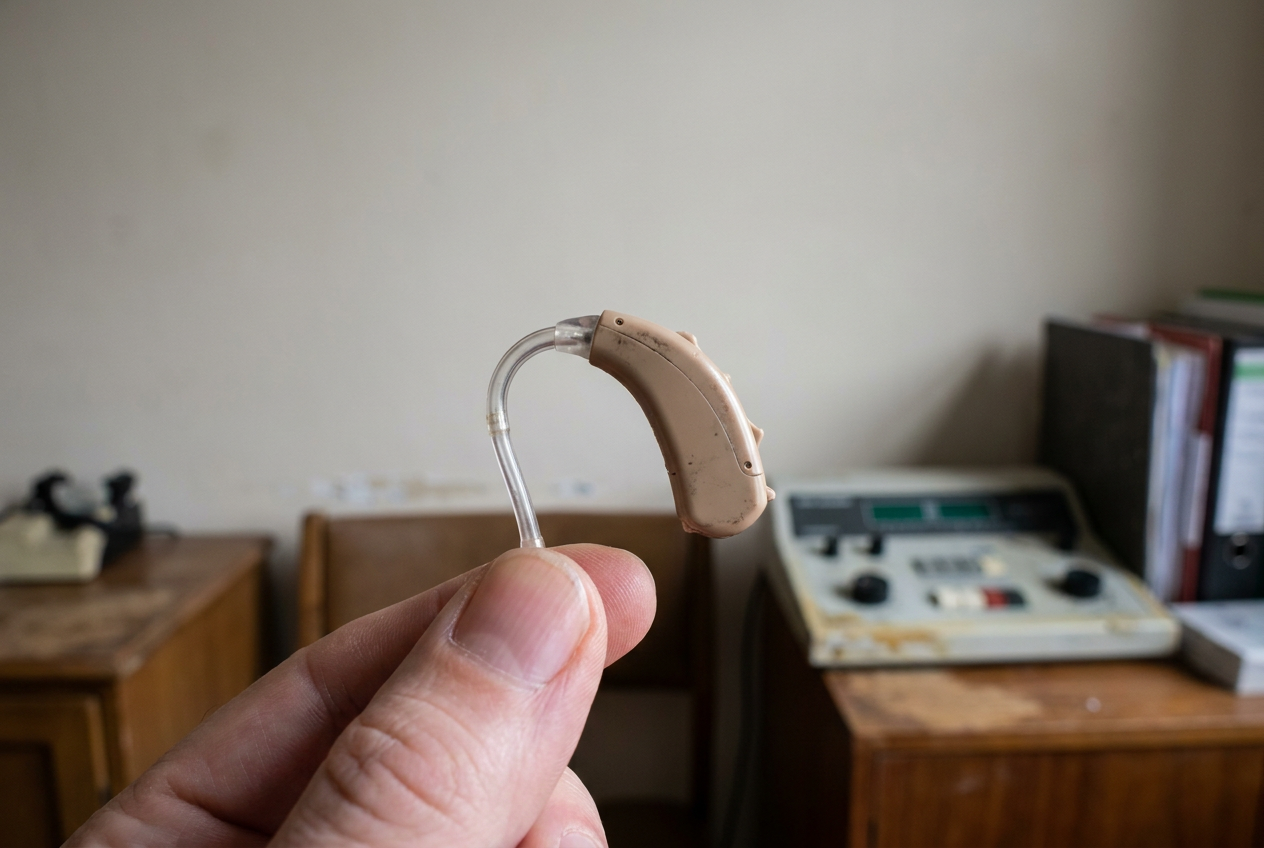
- The main body sits behind the ear with a clear tube directing sound into the canal. This style handles mild through profound loss and leaves room for larger batteries or rechargeable cells.
- Receiver-in-canal aids
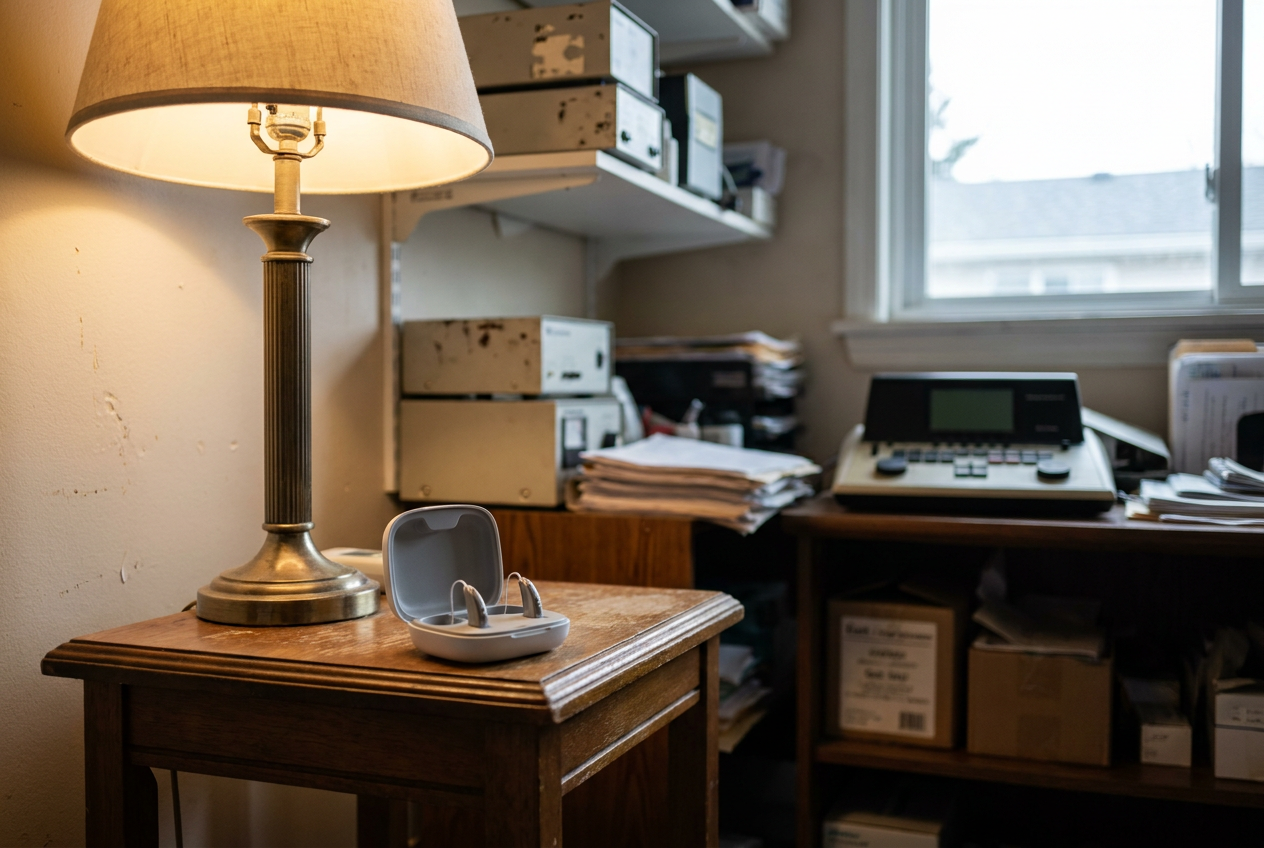
- A smaller case rests behind the ear while a thin wire carries a tiny speaker directly into the canal. Many people find this style less visible and more comfortable for all-day wear.
- In-the-canal aids
- The entire device fits inside the bowl of the ear or deeper within the canal. These are the least visible option but suit only certain types and degrees of hearing loss.
- Real-ear measurement
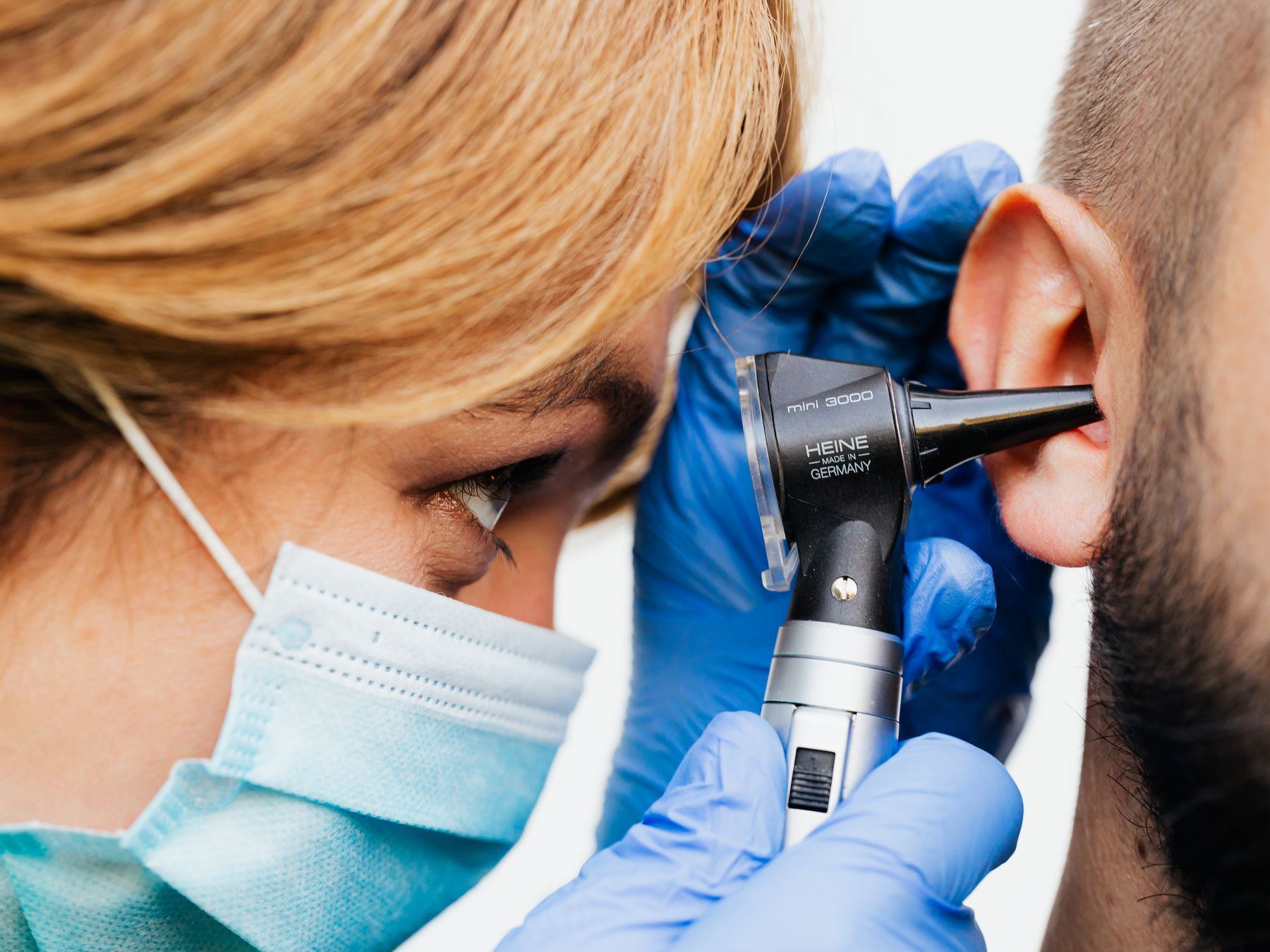
- During fitting, the audiologist places a thin probe microphone in the ear canal alongside the aid to verify the exact volume reaching the eardrum at every pitch.
Signs that hearing aids might help you
Hearing loss usually arrives gradually. You start relying on context, lip reading, and turning up the television long before silence feels absolute. These small daily shifts often point toward something an aid can address.
- 1
Asking people to repeat themselves
You catch the first word of a sentence but lose the rest, especially if someone turns away or speaks quickly.

- 2
Turning the television up
The volume sits higher than others in the home prefer. You may not notice the change yourself until someone mentions it.
- 3
Struggling in busy rooms
Background noise in shops or restaurants drowns out the person opposite you, even when they speak clearly and face you.
- 4
Avoiding phone calls
You let calls go to voicemail or ask people to text instead because holding a conversation over the phone feels unreliable.

What you do and what the audiologist does
Getting fitted takes a few appointments, but the technical work falls entirely to the specialist. You describe what you hear; they handle the measurements, programming, and adjustments.
The audiologist's part
- Reviews your hearing test results to determine candidacy for aids
- Selects devices matched to your specific pattern of loss
- Programmes the aids using real-ear measurement data
- Fine-tunes settings across several follow-up visits
- Advises on cleaning, battery care, and daily use
Your part
- Describe which situations you struggle in most
- Try each recommended style for comfort and fit
- Return for scheduled adjustment appointments
After the fitting
Adjustment appointments keep the sound right
New aids rarely sound perfect immediately. The brain needs time to process sounds it has been missing, so the audiologist schedules short check-ins during the first few weeks of wear.
At each visit, the specialist asks where the sound feels too sharp, too quiet, or unnatural, then adjusts the programming in small increments rather than changing everything at once.
Physical comfort matters as much as sound quality. The audiologist checks for pressure points behind the ear or inside the canal and reshapes or replaces parts that cause irritation.
Common questions about hearing aids
-
Things people in Mitcham tend to ask before booking their first fitting appointment.
- Will they whistle?
- Modern digital aids use feedback cancellation software. Whistling usually means the fit needs adjusting or wax is blocking the canal.
- Can I use my phone?
- Most current models stream calls and audio directly via Bluetooth. The audiologist pairs them during your fitting appointment.
- How long do they last?
- A well-maintained pair typically lasts around five years. Batteries or charging cells need replacing sooner depending on daily use.
- Are they waterproof?
- They resist sweat and light rain but should not be submerged. The specialist explains safe moisture limits for your chosen model.
Ask about hearing aids in Mitcham
Send your details and a brief note about your hearing. An audiologist covering Mitcham will respond with advice on whether aids suit you and what the next step looks like. Nothing commits you to buying.
- No obligation to buy
- Local audiologist responds
- Free initial advice