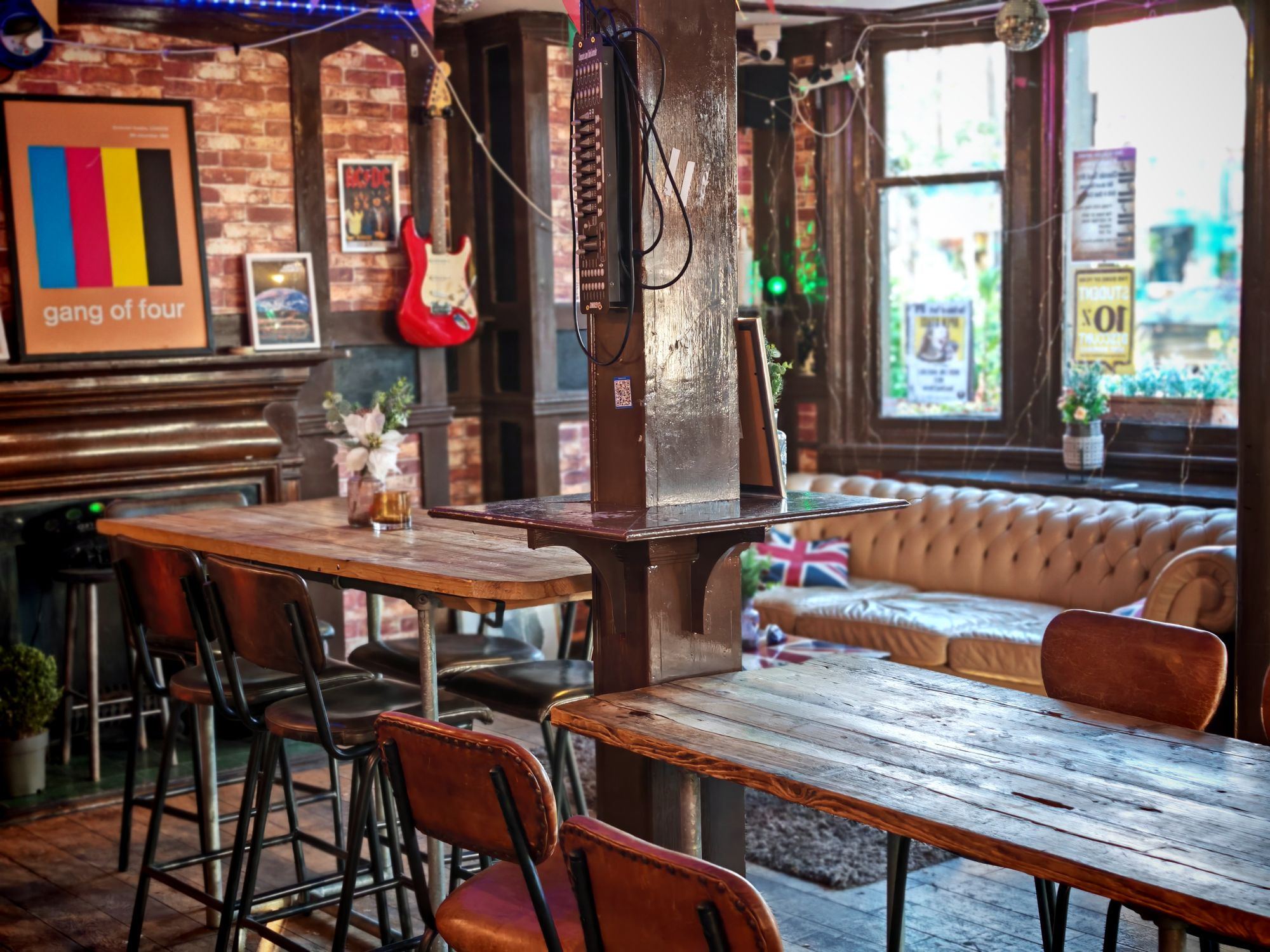
Why you cannot hear in noisy restaurants
Send an enquiry to arrange a hearing test with a local audiologist. There is no charge for asking, and the appointment tells you exactly what your ears can and cannot pick up right now.
The first sign of high-frequency hearing loss
Losing the ability to follow a conversation in a busy restaurant is often the earliest warning that something has changed in your hearing. It happens before you notice any problem in a quiet room at home.
High-frequency hearing loss affects the sounds that give consonants their shape. Letters like s, f, th and sh carry the meaning that separates one word from another. When those frequencies fade, vowels still come through clearly but the edges of words blur together.
In a quiet kitchen, context fills the gaps. You know what someone is likely to say, so your brain supplies the missing pieces. A restaurant removes that advantage. Multiple conversations overlap, cutlery clatters against plates, and chairs scrape the floor. The background noise occupies the same pitch range as the consonants you are already struggling to hear. So speech dissolves into a wash of sound where you catch the rhythm but lose the sense.
This pattern catches people off guard because they pass every conversation at home without effort. They assume their hearing is fine. But the ear does not lose all frequencies at once. High pitches go first, and a crowded room is the place that exposes it.
Why background noise defeats damaged hearing
A healthy ear separates a voice from the surrounding din using tiny hair cells in the cochlea. Each cell responds to a narrow band of frequencies. When they work properly, the brain receives a detailed signal and picks out the person sitting opposite you from everything else in the room.
When high-frequency hair cells are damaged or lost, the signal arriving at the brain lacks detail. The gaps between frequencies widen. Background noise floods into those gaps and masks the quieter parts of speech. Turning up the volume does not help because the noise rises with it.
This is why people with early hearing loss describe restaurants as exhausting rather than simply loud. The brain works harder to guess what was said, filling in blanks from lip movement and context. After an hour, that effort produces fatigue. Some people withdraw from meals out altogether because the strain outweighs the pleasure.
An audiologist can measure how much effort your brain is spending on this task during a consultation.
How an audiologist tests speech in noise
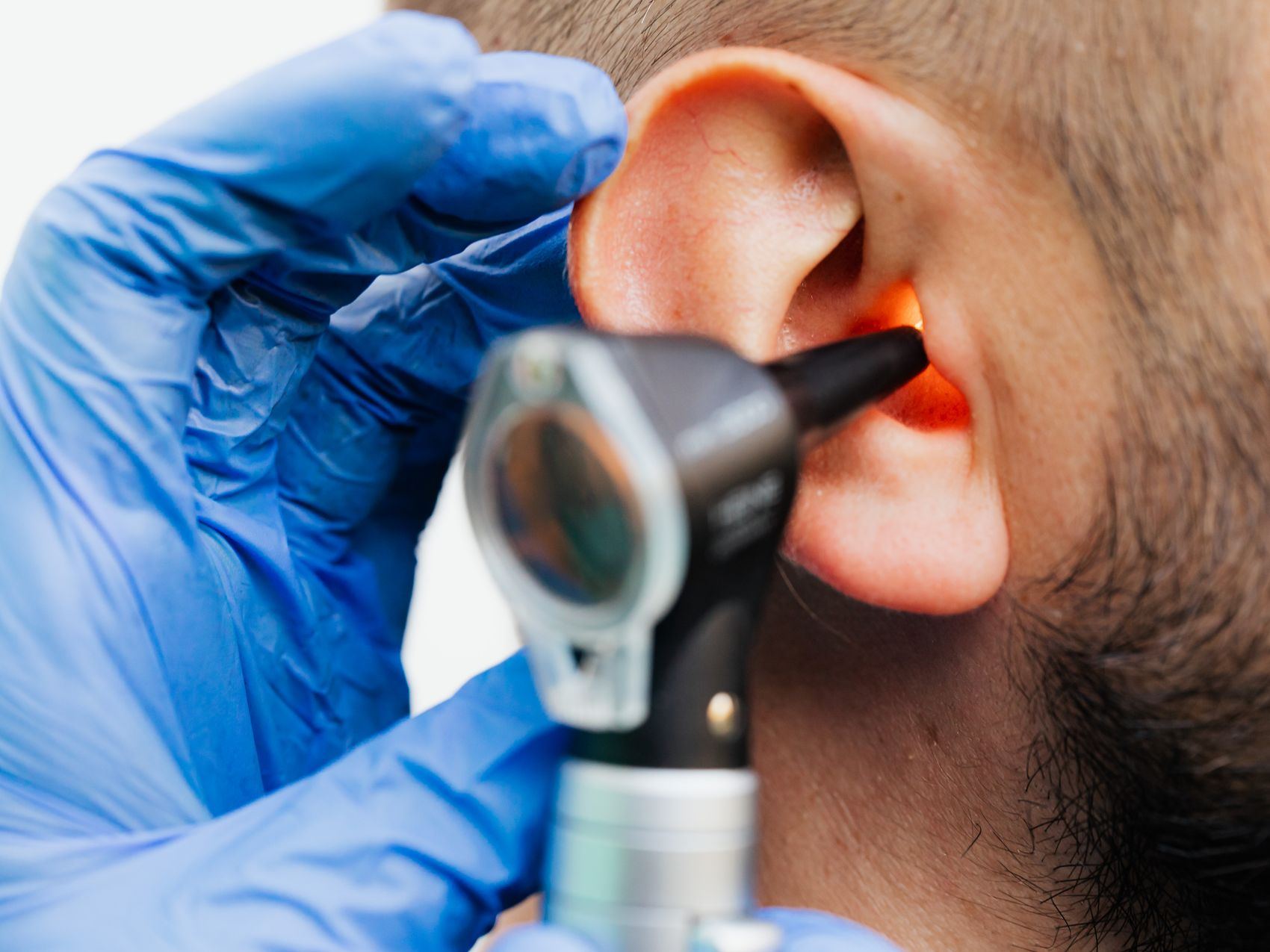
A standard hearing test checks whether you can detect quiet tones across different pitches. That reveals which frequencies have dropped off, but it does not show how you cope when several sounds compete. For that, an audiologist uses speech-in-noise testing.
During this assessment, recorded sentences play through headphones while background noise runs at the same time. The audiologist adjusts the level of the noise relative to the speech. You repeat back what you hear. The score shows the point where understanding breaks down.
This result matters because it mirrors real life. Someone might have mild high-frequency loss on a pure tone chart yet struggle severely in a pub. Another person with a similar chart might manage better because their brain compensates more effectively. Speech-in-noise testing captures that difference.
The audiologist uses these results to decide whether hearing aids would help, and if so, which processing features to prioritise. Modern devices contain directional microphones and noise-reduction algorithms designed specifically for this problem. But fitting them correctly depends on knowing exactly where your hearing fails under pressure.
I understand people at home but not in a crowd
Voices sound clear in a quiet room but turn muddy when other noises compete. This happens because the ear loses its sharpest frequencies first, and background sound fills the gap those frequencies leave behind.
- 1
Asking people to repeat themselves
You catch the start of a sentence but lose the end, especially when someone else speaks nearby or music plays.
- 2
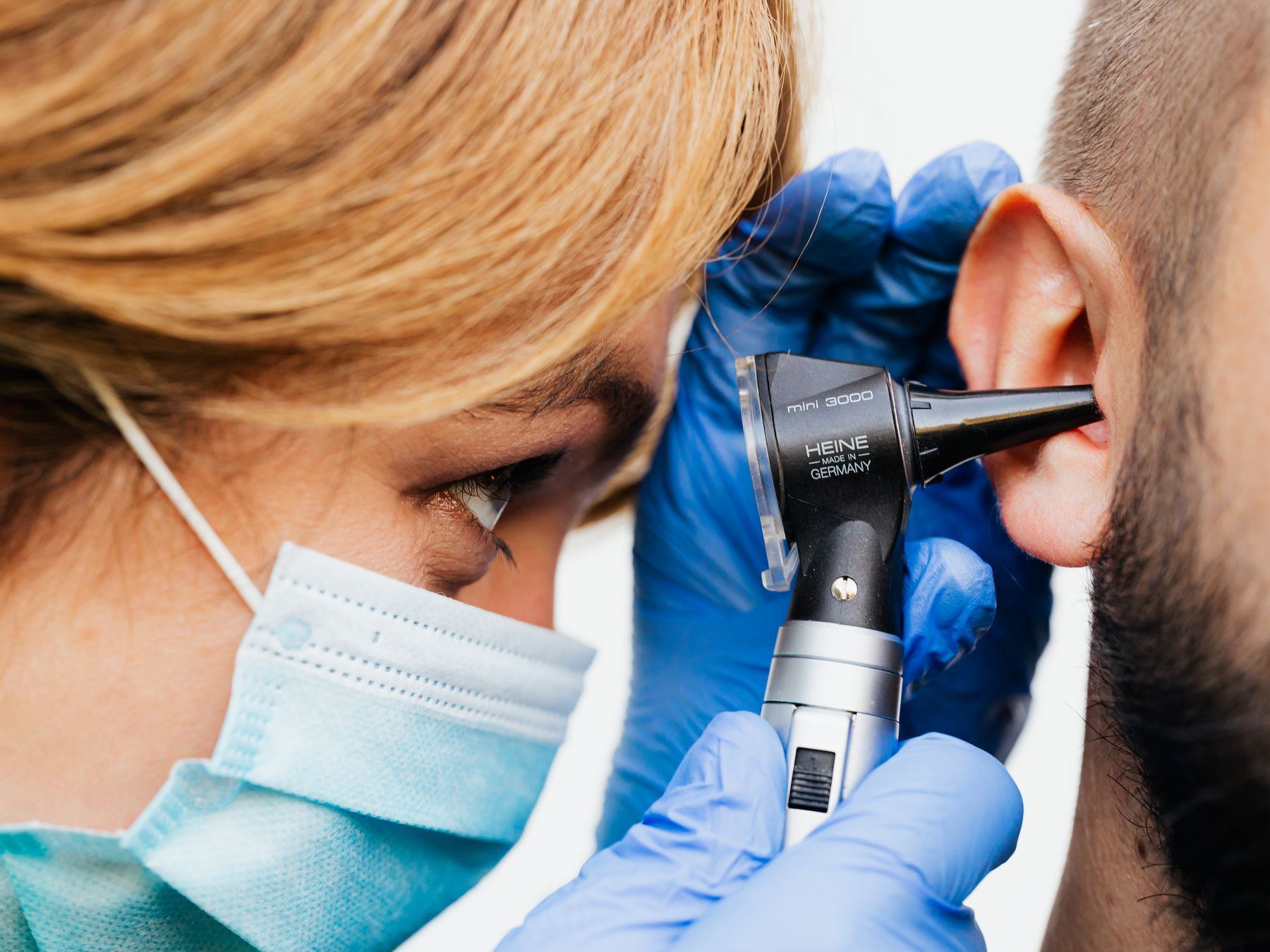
Watching lips more closely
You find yourself staring at mouths in restaurants to work out words your ears stopped separating clearly.
- 3
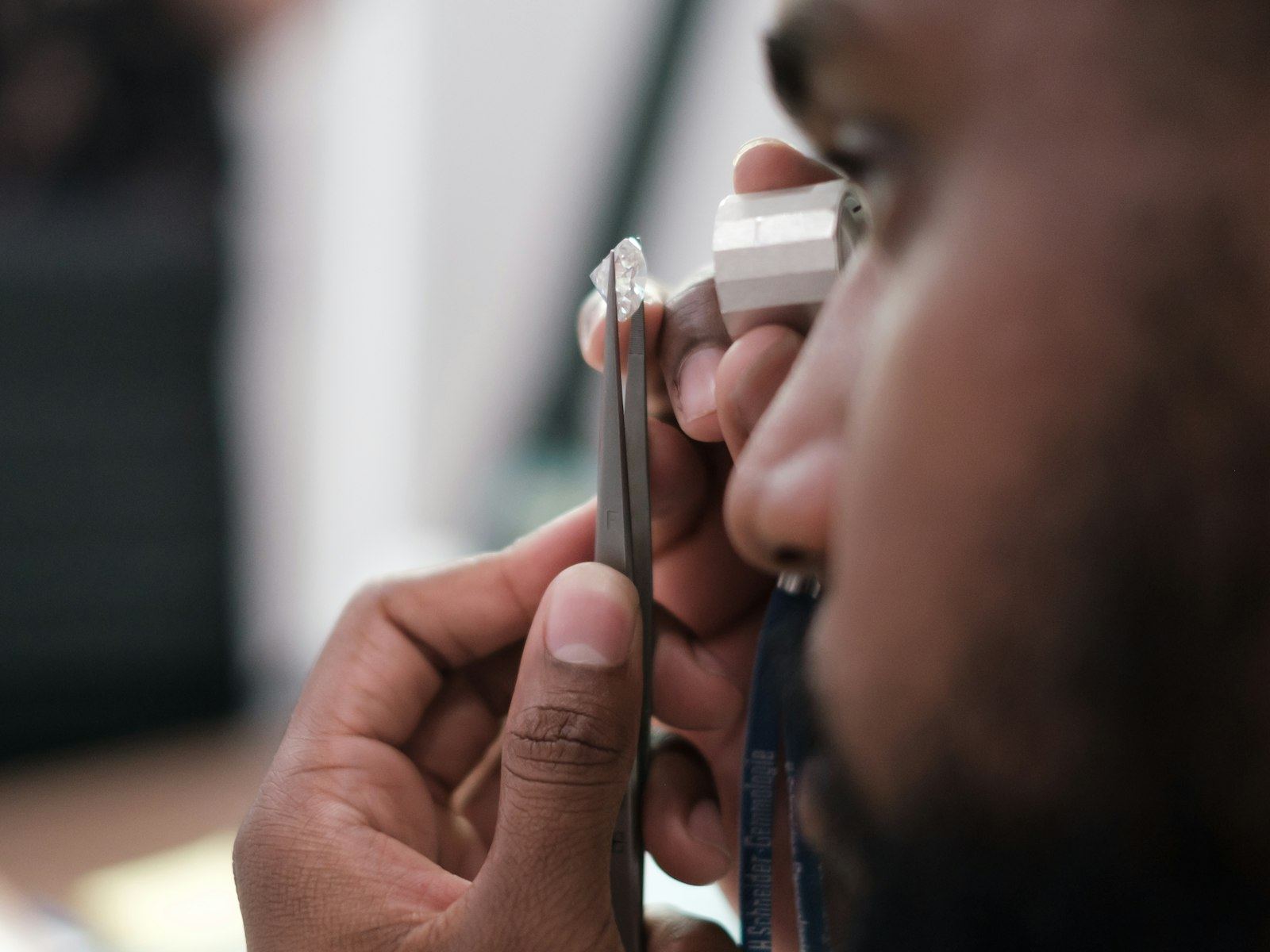
Leaving gatherings feeling tired
Following conversation takes visible effort. By the end of a meal out you feel drained rather than relaxed.

- 4
Preferring booths or corners
You choose seats with your back to a wall to reduce the number of voices reaching you from behind.
Questions about hearing in noise
Is struggling in restaurants always a sign of hearing loss?
Not always. Ear wax buildup can muffle sound enough to cause the same problem, and clearing it restores normal hearing. Fatigue, certain medications and stress also affect how well you process competing sounds. An audiologist determines the actual cause during an examination.
Will a hearing aid fix the restaurant problem completely?
Hearing aids improve speech clarity in noise significantly, but they do not restore natural hearing. Directional microphones and noise reduction help by focusing on the person in front of you. Results depend on the degree of loss and how consistently the device is worn.
Can I get a hearing test just for this problem?
Yes. Tell the audiologist that noisy environments are your main difficulty. They will include speech-in-noise testing alongside the standard tone check. This gives a clearer picture of how your hearing performs outside the clinic.
Does ear wax cause trouble in noisy places?
It can. Wax blocks the ear canal evenly across all frequencies, reducing overall volume. In a quiet room you compensate without noticing. In a loud restaurant the reduced input makes speech harder to separate. Microsuction removal resolves this quickly if wax is the cause.
At what age does this usually start?
High-frequency loss can begin at any age after prolonged noise exposure, though it becomes more common past fifty. Genetics and medical history matter too. Age alone does not predict when restaurants will start sounding unclear.
Find out what your hearing test shows
Send your details and an audiologist in Mitcham will respond to arrange an appointment. Enquiring costs nothing and does not commit you to buying hearing aids or booking further treatment.
- No obligation
- Local audiologists
- Free to enquire