Do I need a hearing test?
Send an enquiry about your hearing and a local specialist will reply with what to do next. There is no charge for asking, and nothing to commit to until you decide to book.
When everyday sounds start to change
You might not notice it all at once. A conversation in a busy room becomes harder to follow. You find yourself watching people's mouths more than their eyes. The television volume creeps up a few notches over several weeks.
These changes happen slowly enough that they feel normal. But they are often the first reason someone asks whether they should have their hearing checked. A hearing test measures how well you hear across different pitches and volumes, giving you a clear picture of where things stand right now.
Some shifts in hearing develop gradually over years. Others appear suddenly after an illness or a loud event. Either way, knowing what has changed removes the guesswork. An audiologist in Mitcham can run the test and explain the results in plain terms, without pressure to buy anything on the day.
Wax buildup or something else
Not every muffled sound points to hearing loss. Ear wax can block the canal and make everything seem distant, including your own voice. You might feel a dull pressure, or notice that one ear seems worse than the other after sleeping on it.
A blocked ear from wax behaves differently from a permanent shift in hearing. Wax problems tend to fluctuate. They feel worse in the morning, or after a shower, or when you swallow. Hearing loss usually stays constant regardless of the time of day.
The only reliable way to tell them apart is to look inside the ear and measure what gets through. A specialist can check for wax during the same appointment as a hearing test. If wax is the cause, microsuction removal takes minutes and restores clarity immediately. If the ear is clear, the test results show exactly which frequencies have dropped and by how much.
What happens at a first appointment
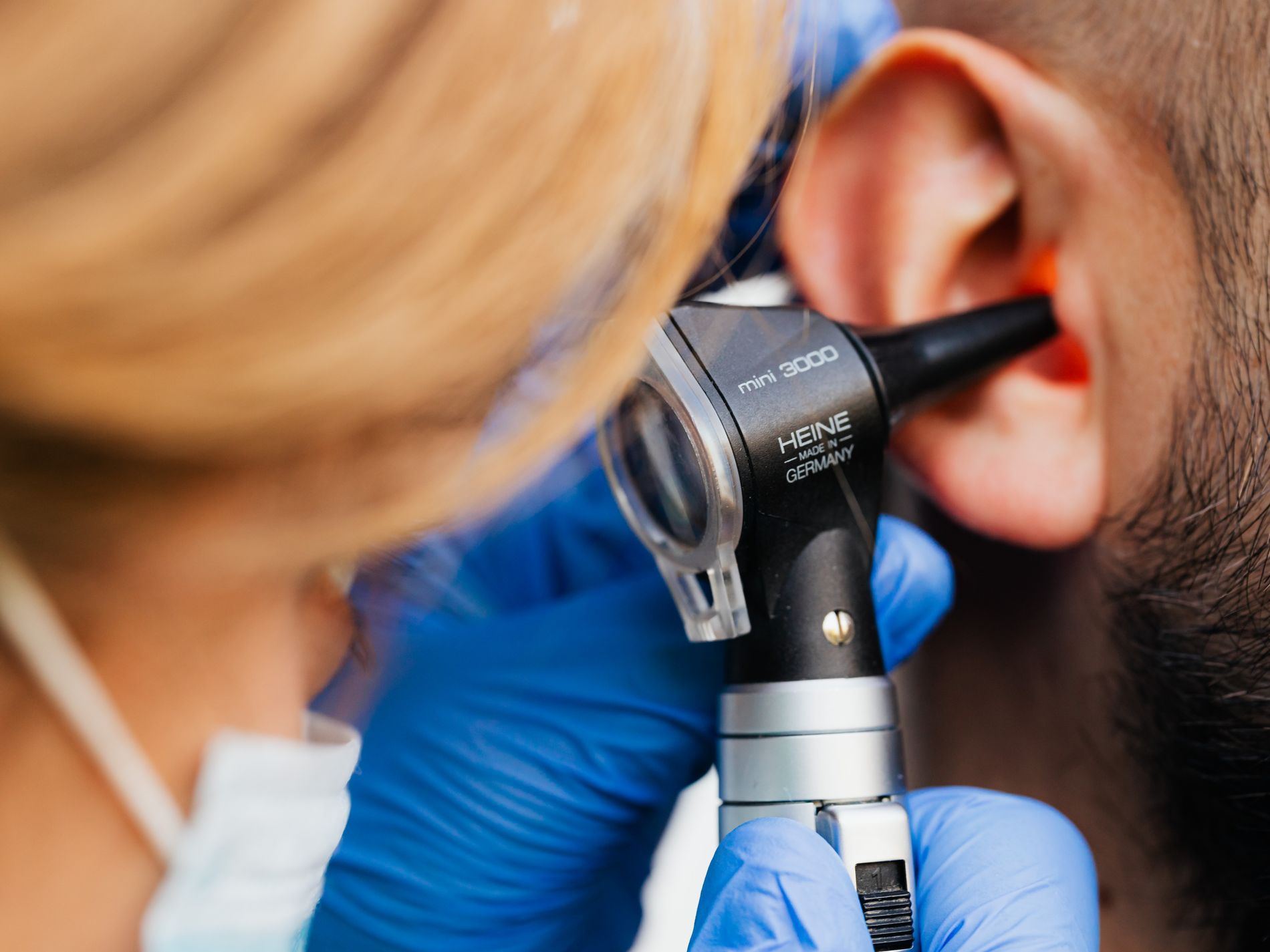
Booking a hearing test does not mean committing to hearing aids. The appointment starts with questions about your health, any medications you take, and what you have noticed at home. Then the audiologist looks inside each ear with an otoscope to check the canal and eardrum.
After that comes the test itself. You sit in a quiet room wearing headphones and press a button each time you hear a tone. The tones vary in pitch and volume. The whole process takes about thirty minutes.
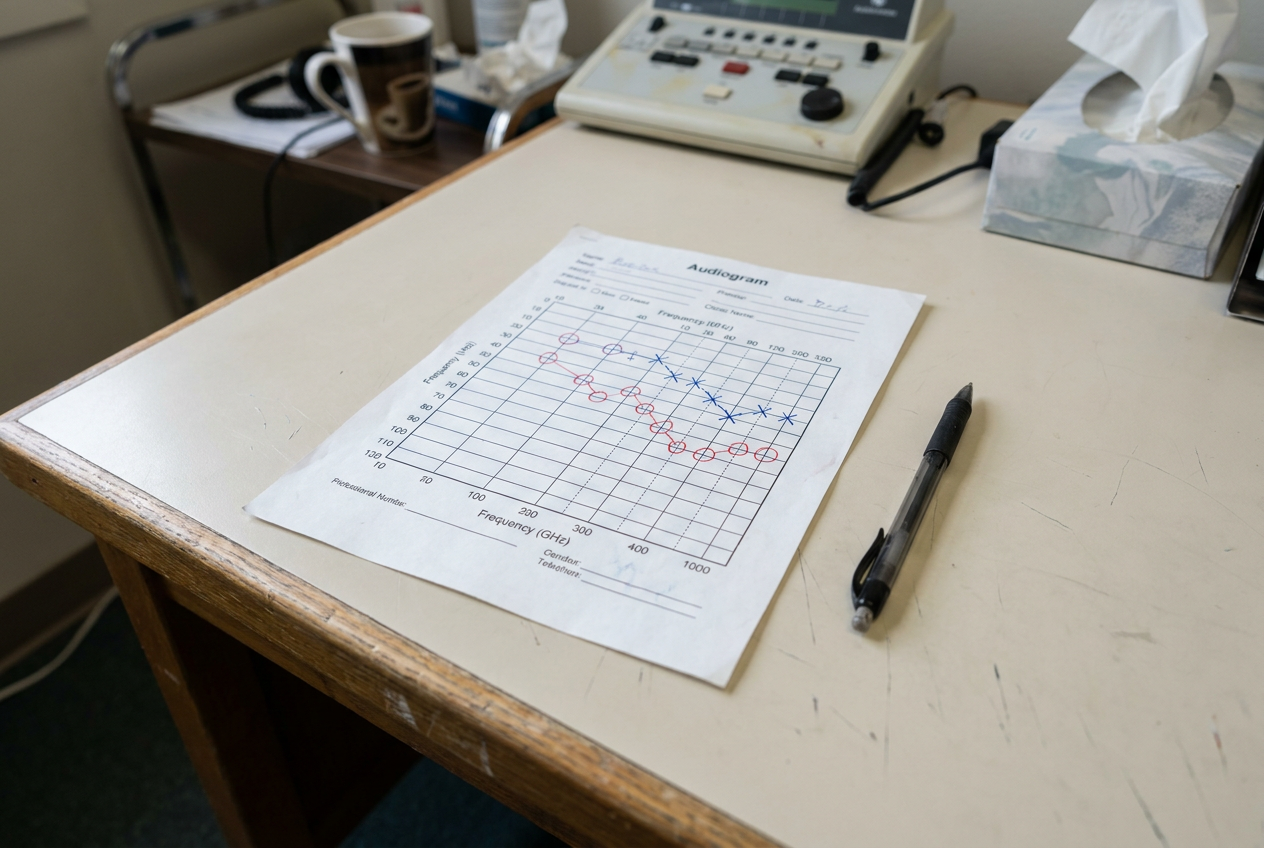
Once the test is finished, the audiologist shows you the results on a chart called an audiogram. They explain what the numbers mean for your daily life. If hearing aids would help, they discuss the options available in Mitcham, including styles and prices. If your ears just need cleaning, they arrange that instead. You leave knowing what is going on and what your choices are, with no obligation to proceed further.
Signs your hearing might have changed
Hearing shifts rarely announce themselves. Instead you notice small differences in how conversations sound, how loud you set the television, or how tired you feel after a busy day out.
- 1
Turning the television up
Others in the house mention the volume is too high. You may not realise it has risen over recent weeks.

- 2
Losing words in busy rooms
Background noise drowns out speech. Pubs and restaurants become exhausting because you strain to follow conversations.

- 3
Asking people to repeat themselves
You catch that someone spoke but miss the actual words. This happens more often with softer voices or children.

- 4
A ringing or buzzing sound
A persistent tone in one or both ears, especially in quiet rooms, sometimes accompanies changes in hearing.
- 5
One ear feels full or blocked
A sensation of pressure or cotton wool in the ear. It could be wax, fluid, or a shift in how that ear hears.
Questions about getting tested
If your question is not here, send it through the contact page and a specialist will answer directly. Ask a question.
- How long does a hearing test take?
- The appointment usually lasts between 45 minutes and an hour. The listening portion itself takes about 20 to 30 minutes. The rest covers your medical history, an examination of the ear canal, and a discussion of the results.
- Will it hurt?
- No. The test involves listening to tones through headphones and pressing a button. Nothing goes into the ear beyond the standard visual check with an otoscope, which is painless.
- Can ear wax cause me to fail a hearing test?
- Yes. A heavy wax buildup blocks sound from reaching the eardrum, so the test may show reduced hearing even if the inner ear works perfectly. A specialist checks for wax before testing and can remove it during the same visit.
- Do I need a referral from my GP?
- No. You can book a private hearing test in Mitcham directly without seeing your doctor first. The audiologist handles the assessment independently and writes to your GP afterwards only if you ask them to.
- How much does a hearing test cost?
- Prices vary between clinics. Many specialists offer the initial test free of charge when booked as part of a consultation. Ask when you enquire so you know before you arrive.
- If I need hearing aids, do I have to get them that day?
- No. The test gives you information. If hearing aids would help, the audiologist explains the styles and costs. You can take days or weeks to decide, or choose not to proceed at all.
Find out what your hearing needs
Send a short message describing what you have noticed. A local hearing specialist will read it and reply with advice on whether a test makes sense. There is no fee for this and no booking required.
- No obligation
- Local specialist replies
- Free to ask