Understanding your hearing before you book anything
Read through the basics below to work out what is happening with your ears. When you are ready, ask for a hearing test in Mitcham and find out where things stand without paying anything upfront.
What to know about hearing tests, aids and ear wax
Why a hearing test matters even if you cope fine
Hearing changes slowly. You adapt without noticing, turning up the television or asking people to repeat themselves. A hearing test measures exactly what you can and cannot hear across different pitches.
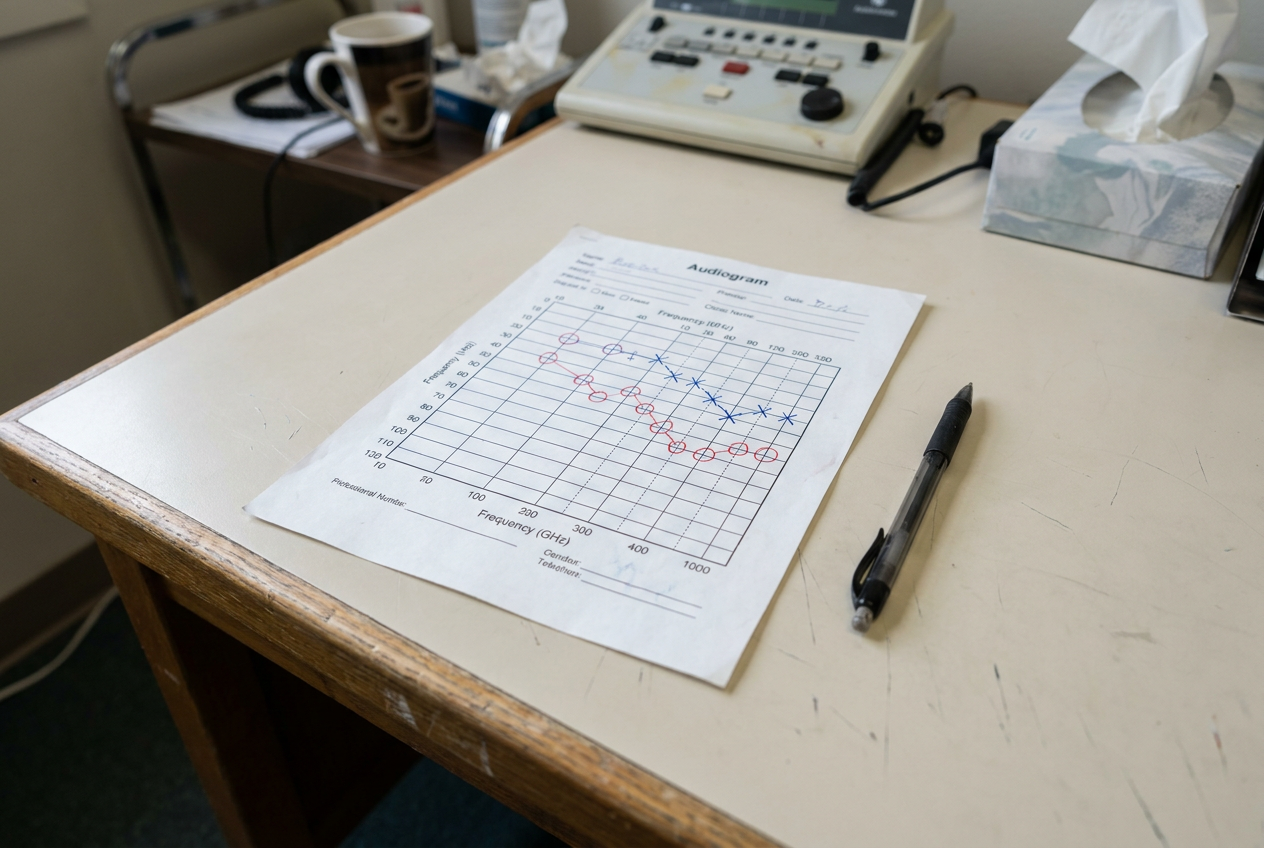
The audiologist places headphones over your ears and plays tones at various volumes. You press a button each time you hear one. The results form an audiogram, a chart showing which frequencies have dropped off.
This chart tells you whether the change is mild, moderate or severe. It also shows whether the problem sits in the outer ear, the middle ear or deeper inside. That distinction matters because it determines what happens next.
Some losses are caused by nothing more than wax. Others involve the tiny hair cells inside the cochlea that do not grow back. Knowing which one you have stops you guessing. Find out what a private hearing test in Mitcham checks.
What an audiologist actually does during a visit
An audiologist is trained to assess how sound travels through your ear and into your brain. They run the hearing test, interpret the audiogram and look inside your ear canal with an otoscope.
If they see wax blocking the view, they will usually suggest removing it before testing again. Wax can muffle sound enough to mimic a permanent loss, so clearing it first gives accurate numbers.
When the test shows a genuine drop in hearing, the audiologist talks through what that means for daily life. They explain which sounds you are missing and why conversations in busy rooms feel harder than they used to.
They do not push products. Their job is to lay out the options based on the shape of your loss. Seeing an audiologist in Mitcham means getting a clear picture rather than a sales pitch.
How hearing aids work and what fitting involves
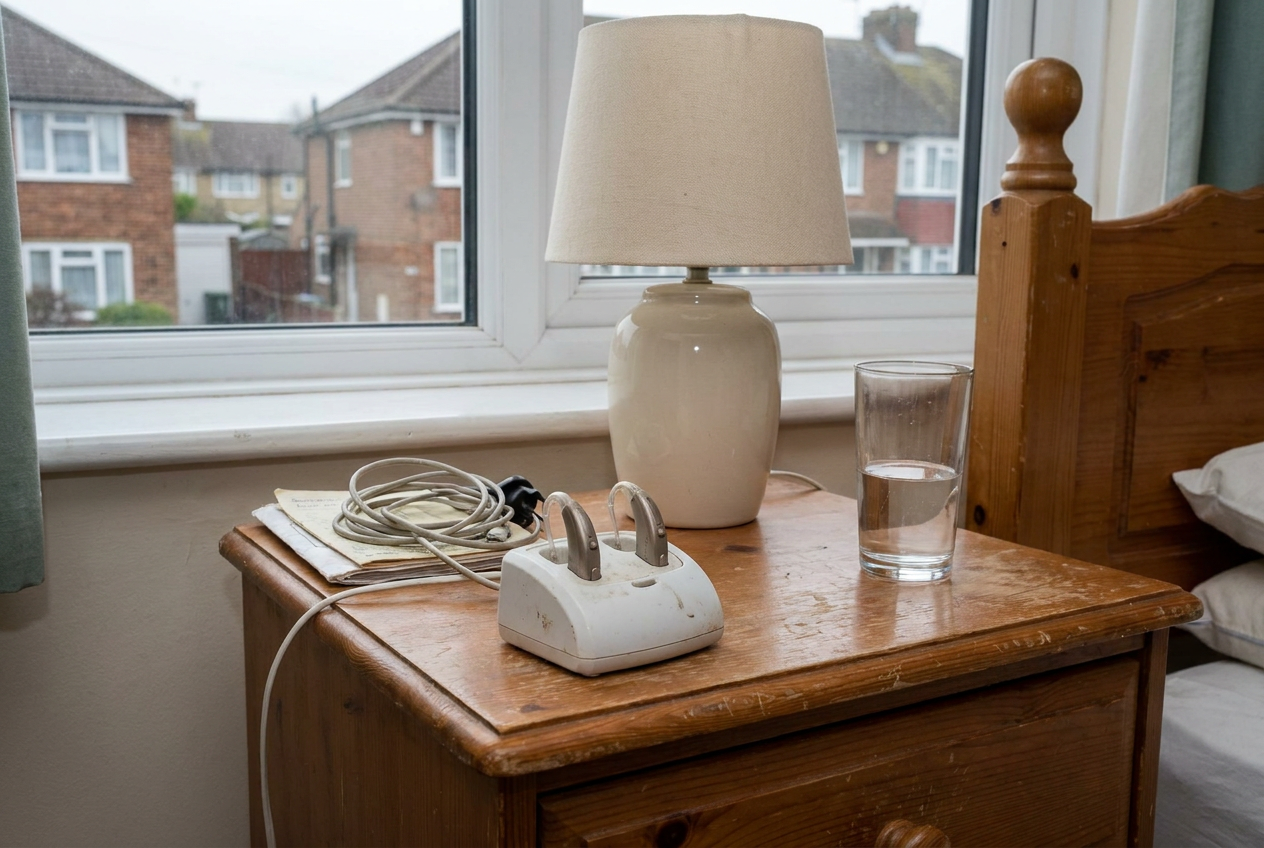
A hearing aid is a small amplifier tuned to the exact frequencies you struggle with. It does not make everything louder. It boosts the specific pitches your ear no longer picks up well.
Modern devices sit behind the ear or inside the canal. They contain a microphone, a processor and a speaker. The processor adjusts the sound thousands of times per second to match your audiogram.
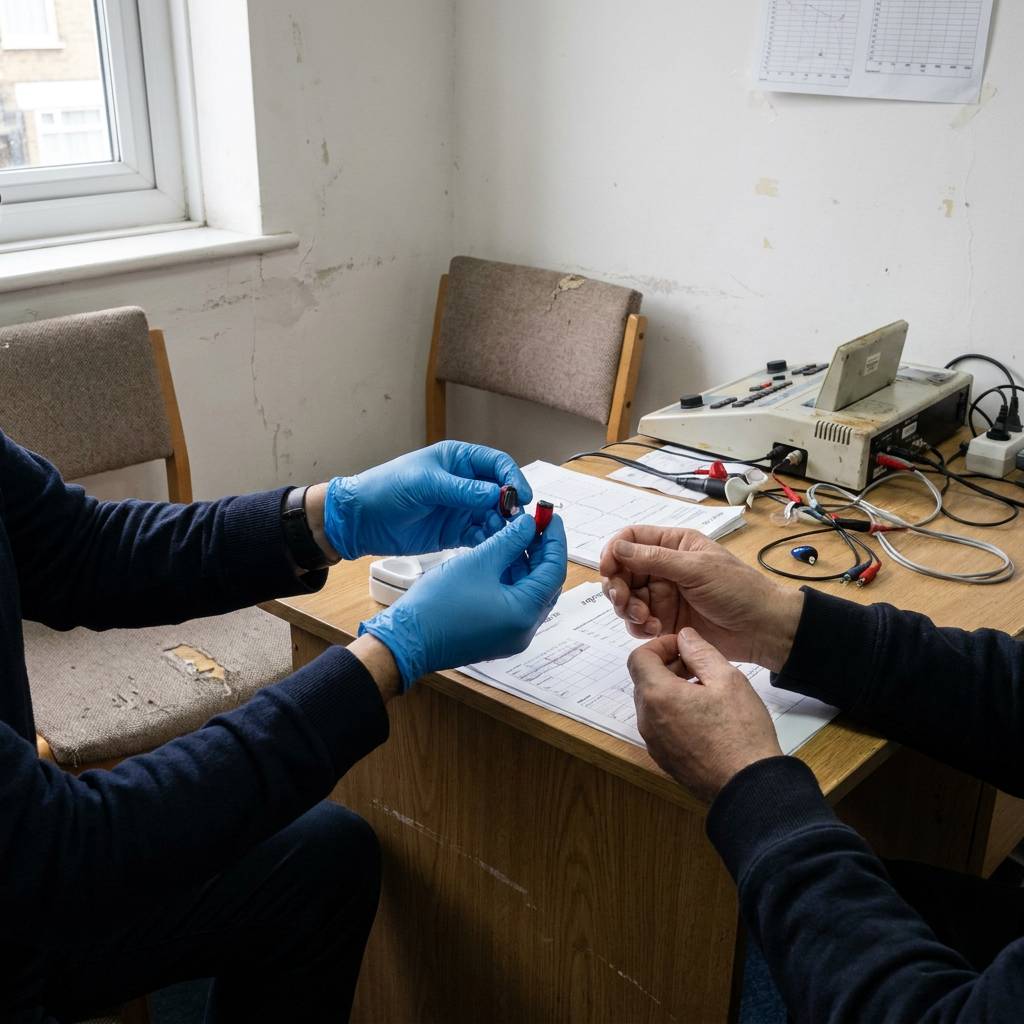
Fitting takes more than handing you a box. The audiologist programs the device using your test results, then checks how it sounds in the room. You wear them for a few weeks and return for adjustments.
Your brain needs time to get used to hearing sounds it has missed for years. Follow-up appointments keep the settings right as you adapt. Read more about hearing aids in Mitcham and the styles available.
Ear wax removal and when it becomes necessary
Ear wax is normal. It traps dust and protects the canal. Problems start when it builds up faster than it clears naturally, forming a plug that blocks sound.
You might notice your ear feels full, or that your own voice sounds hollow. Sometimes the wax presses against the eardrum and causes a dull ache or brief dizzy spells.
Microsuction uses a gentle vacuum to pull the wax out under direct vision. The specialist looks down the canal with a microscope while holding a thin suction tube. No water is flushed in, so the risk of infection stays low.
Cotton buds push wax deeper and should stay away from the canal. If your ear feels blocked and will not pop, microsuction is usually the quickest way to clear it. See how ear wax removal works in Mitcham.
Recognising the signs that warrant a closer look
Certain situations reveal a hearing problem long before you think to book a test. Struggling to follow conversations in pubs and restaurants is common. Background noise masks the higher-pitched consonants you rely on to tell words apart.
Family members mentioning the television volume is another signal. You turn it up to hear speech clearly, while everyone else finds it too loud. That gap often points to a high-frequency loss.
Ringing in the ears, known as tinnitus, sometimes accompanies hearing changes. It can be a steady hum or an intermittent buzz. Tinnitus alone does not always mean hearing loss, but the two frequently appear together.
None of these signs confirm a diagnosis. They simply indicate that a test would give you useful information. Paying attention to them early means you act before the gaps in conversation become frustrating.
Signs your hearing may have changed without you noticing
Hearing loss rarely announces itself. It creeps in over months or years, changing how you handle everyday sounds until certain situations feel harder than they used to.
- 1
Asking people to repeat themselves
You catch the tone of a voice but miss the actual words, especially when someone speaks quietly or turns away.
- 2
Turning the television up
The volume level you prefer starts bothering others in the room. Speech sounds muddy until you raise it.
- 3
Struggling in noisy rooms
Background chatter drowns out the person sitting opposite you. Pubs and restaurants become tiring places to hold a conversation.

- 4
A persistent ringing or buzzing
You hear a tone that nobody else does. It might be constant or come and go, often worse in quiet rooms.
- 5
A feeling of fullness in the ear
One or both ears feel plugged, as though you have just landed from a flight. Swallowing does not clear it.

Common questions about hearing care in Mitcham
Straight answers to the things people ask before booking a test or visiting an audiologist.
- Does a hearing test hurt?
- No. You wear headphones and press a button when you hear tones. Nothing goes inside your ear unless the audiologist checks for wax first.
- How long does the appointment take?
- Expect around thirty to forty minutes for a standard test. Add extra time if you need wax removed or want to discuss hearing aids.
- Can ear wax cause hearing loss?
- Yes. A solid plug blocks sound from reaching the eardrum. Removing it often restores hearing fully, so the audiologist checks for wax first.
- Are hearing aids noticeable?
- Many sit entirely inside the ear canal. Others hook behind the ear but are small enough to hide under hair. Styles vary by prescription.
- Do I need a referral from my GP?
- No. You can book directly with an audiologist in Mitcham without seeing your doctor first or waiting for NHS approval.
Ask for a hearing test in Mitcham
Send your details and a local audiologist will call to arrange a convenient time. There is no charge for the enquiry and no obligation to proceed with treatment.
- No cost to enquire
- Local audiologists only
- No obligation to proceed